

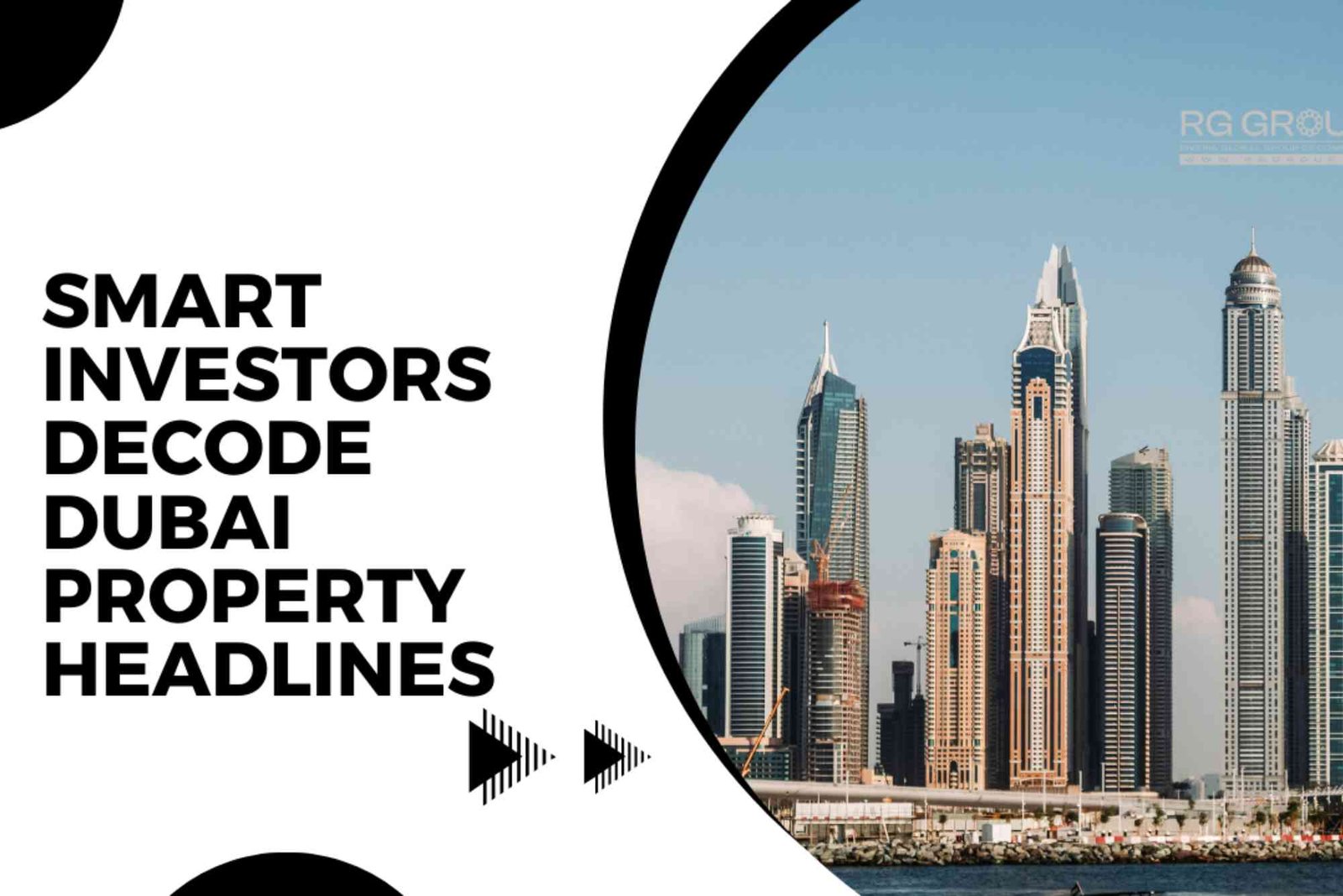
What Smart Investors Are Reading Between Dubai’s Real Estate Headlines
Dubai’s real estate market rarely stays out of the spotlight. Headlines announce record-breaking transactions, landmark developments, and soaring demand from global buyers. Daily business news captures these milestones, shaping market sentiment and investor conversations worldwide.
But for smart investors, the real story isn’t always in bold print—it lives between the lines. Those who consistently succeed in real estate investments in Dubai don’t just react to headlines; they interpret signals, trends, and timing hidden beneath the surface.
Beyond the Big Numbers
Every year, business news platforms publish impressive figures: billions in transactions, double-digit price growth, and unprecedented foreign interest. While these numbers are important, experienced investors know they’re lagging indicators. They show what has already happened, not necessarily where the next opportunity lies.
What smart investors focus on instead are quieter signals—changes in transaction volume by asset type, shifts in buyer demographics, and emerging sub-markets gaining attention before prices peak. For example, a moderate increase in mid-range apartment sales may suggest growing end-user confidence, while a surge in commercial leasing often points to broader economic expansion.
Reading Policy Signals, Not Just Announcements
Dubai’s government is one of the most proactive in the world when it comes to economic planning. Policy changes, visa reforms, and infrastructure announcements are often early indicators of real estate movement.
Savvy investors read business news with a policy lens. Long-term residency visas, retirement visas, and golden visas are not just immigration updates—they directly influence housing demand, rental stability, and long-term ownership trends. When these policies are announced, smart investors don’t wait for prices to rise; they position themselves early in locations likely to benefit.
Similarly, infrastructure announcements—new metro lines, road expansions, or mixed-use developments—signal where future value will concentrate. These stories may appear as secondary headlines, but they often precede significant appreciation in surrounding areas.
Following Capital Flow, Not Just Construction
Another subtle indicator lies in who is investing, not just what is being built. Smart investors track capital flow patterns highlighted in business news—private equity interest, institutional investors entering the market, and cross-border investment activity.
When global funds or high-net-worth individuals increase exposure to real estate investments in Dubai, it reflects confidence in long-term fundamentals rather than short-term speculation. This kind of capital typically targets assets with stable yields, strong governance, and future scalability—signals that retail investors can learn from and align with.
Understanding Demand Shifts by Asset Class
Not all real estate segments move in sync. While luxury villas may dominate headlines, experienced investors watch for quieter shifts in other categories—affordable housing, logistics facilities, retail spaces, and hospitality-linked assets.
For example, rising demand for warehousing and last-mile logistics properties often correlates with growth in e-commerce and trade activity. Similarly, consistent occupancy in mid-range residential developments can indicate sustainable rental yields, even when premium segments fluctuate.
Smart investors don’t chase the loudest trend; they evaluate which asset classes align with long-term demand driven by population growth, business expansion, and lifestyle changes.
Timing the Market Through Sentiment
Market sentiment is another critical factor often overlooked. Headlines can create excitement or fear, but seasoned investors look past emotional reactions. A temporary slowdown, widely reported in business news, may actually present an entry opportunity—especially when fundamentals remain strong.
Periods of market correction often separate speculative buyers from strategic ones. Smart investors use these phases to negotiate better terms, secure high-quality assets, and position themselves for the next growth cycle.
Rental Yields Tell a Deeper Story
While price appreciation grabs attention, rental yields reveal the market’s real health. Investors who understand real estate investments in Dubai closely monitor yield trends across locations and property types.
Stable or rising rental yields suggest genuine demand and income sustainability. If prices increase faster than rents, smart investors become cautious. Conversely, when rents rise steadily in emerging areas, it often signals untapped potential before capital values fully adjust.
The Global Context Matters
Dubai doesn’t operate in isolation. Smart investors connect local headlines with global economic trends—interest rate movements, geopolitical shifts, and currency fluctuations. When international markets face uncertainty, Dubai often benefits as a safe, well-regulated investment destination.
This is why experienced investors read global business news alongside local updates. Increased international buyer activity during global volatility is not coincidental—it reflects Dubai’s growing role as a capital preservation and growth hub.
Data Over Hype
Ultimately, what separates smart investors from reactive ones is discipline. They rely on data, patterns, and strategy—not hype. Headlines may spark interest, but decisions are made after analyzing supply pipelines, absorption rates, regulatory clarity, and exit potential.
They ask critical questions:
- Is demand organic or speculative?
- Are new developments aligned with population growth?
- Do rental trends support long-term holding strategies?
These answers are rarely spelled out in headlines—but they’re always implied for those who know where to look.
Looking for the latest updates, insights, and resources in your favorite topics? Visit our homepage at Episode to explore a wide range of content designed to inform, inspire, and engage readers. Stay connected and never miss out on exciting updates!”
Conclusion: Thinking Like a Strategic Investor
Dubai’s real estate headlines are powerful, but smart investors know they’re just the surface. The real opportunities emerge when you read between the lines—connecting business news with policy direction, capital flows, demand shifts, and long-term economic vision.
For anyone serious about real estate investments in Dubai, success isn’t about reacting first—it’s about understanding deeper signals before the market catches up. Those who master this approach don’t just follow the news; they anticipate the next chapter.