
Introduction
Planning a holiday is exciting until you start wondering who will look after your dog while you are away. For Dubai pet owners, the choice often comes down to dog boarding vs in-home pet sitting in Dubai. Both options can work well, but the safer choice depends on your dog’s personality, health, routine, and the quality of care available.
Some dogs enjoy the company and structured environment of a professional boarding facility. Others become anxious when their familiar surroundings change and are much happier staying at home with a trusted sitter. Dubai’s hot climate also makes supervision, indoor comfort, hydration, and reliable emergency support especially important when choosing holiday pet care.
The right decision is not simply about finding the cheapest service or the most luxurious facility. It is about matching the care arrangement to your dog’s individual needs and making sure the person or business responsible for your pet is properly prepared.
Dog Boarding vs In-Home Pet Sitting in Dubai: What Is the Difference?
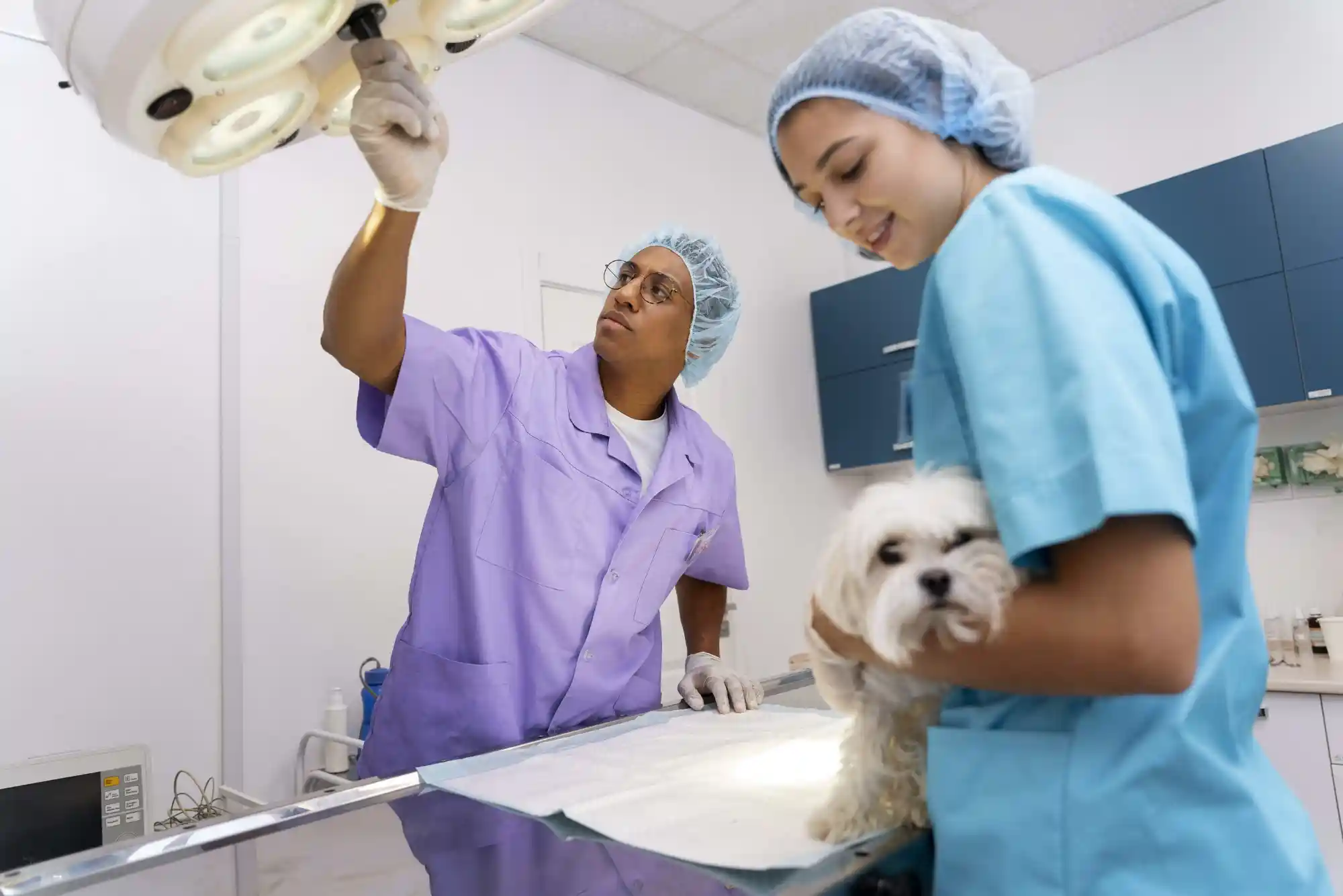
Dog boarding means your pet stays at a dedicated facility, veterinary centre, pet hotel, kennel, or boarding establishment while you travel. Depending on the provider, dogs may have scheduled feeding, exercise, playtime, grooming, socialisation and overnight supervision.
In-home pet sitting is different because the dog remains in its familiar home environment. A professional sitter may visit several times a day, stay overnight, or provide extended house sitting depending on the service.
When comparing dog boarding vs in-home pet sitting in Dubai, the biggest difference is the environment. Boarding moves your dog into a professionally managed setting, while pet sitting keeps the dog’s existing routine and surroundings largely unchanged.

Neither arrangement is automatically safer. A well-managed boarding facility can provide excellent supervision, while an experienced in-home sitter can offer highly personalised care. Conversely, poor screening or inadequate supervision can create risks with either option.
Is Dog Boarding Safe for Dogs in Dubai?
Professional dog boarding can be a safe choice when the facility has appropriate hygiene procedures, trained staff, secure areas and clear emergency protocols.
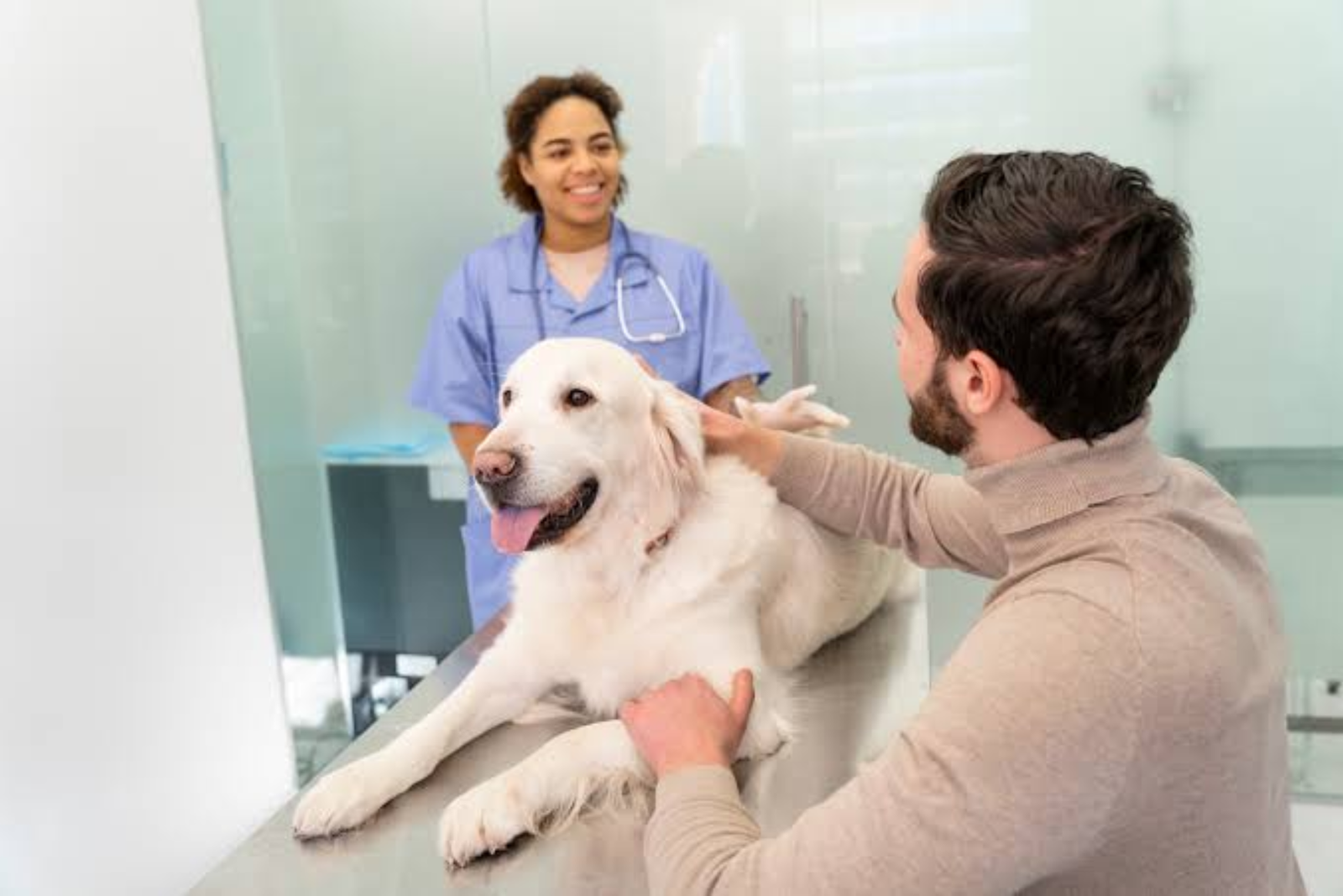
One major advantage is that your dog is cared for in an environment designed specifically for animals. Staff may be available throughout the day and night, depending on the facility. This can be particularly reassuring for owners travelling for several days.
Professional supervision can be an advantage
Boarding facilities usually have established routines. Dogs are fed at set times, taken outside or exercised according to their schedule, and monitored by staff.
For dogs that require medication or more structured care, a professional facility may also have systems for recording meals, medication and behavioural observations.
However, owners should not assume that every boarding facility provides the same level of supervision. Ask how often dogs are checked, where they sleep, how exercise is managed and what happens if a dog becomes ill.
Socialisation can be helpful — or stressful
Some dogs enjoy meeting other dogs and benefit from supervised interaction. Others become overwhelmed by unfamiliar animals, new smells and an unfamiliar environment.
A boarding facility should therefore assess temperament before allowing dogs to interact. Dogs should not simply be placed together because they are staying at the same property.
For nervous, elderly or highly independent dogs, a quieter boarding arrangement may be more appropriate than a busy social environment.
Is In-Home Pet Sitting Safer for Dogs?
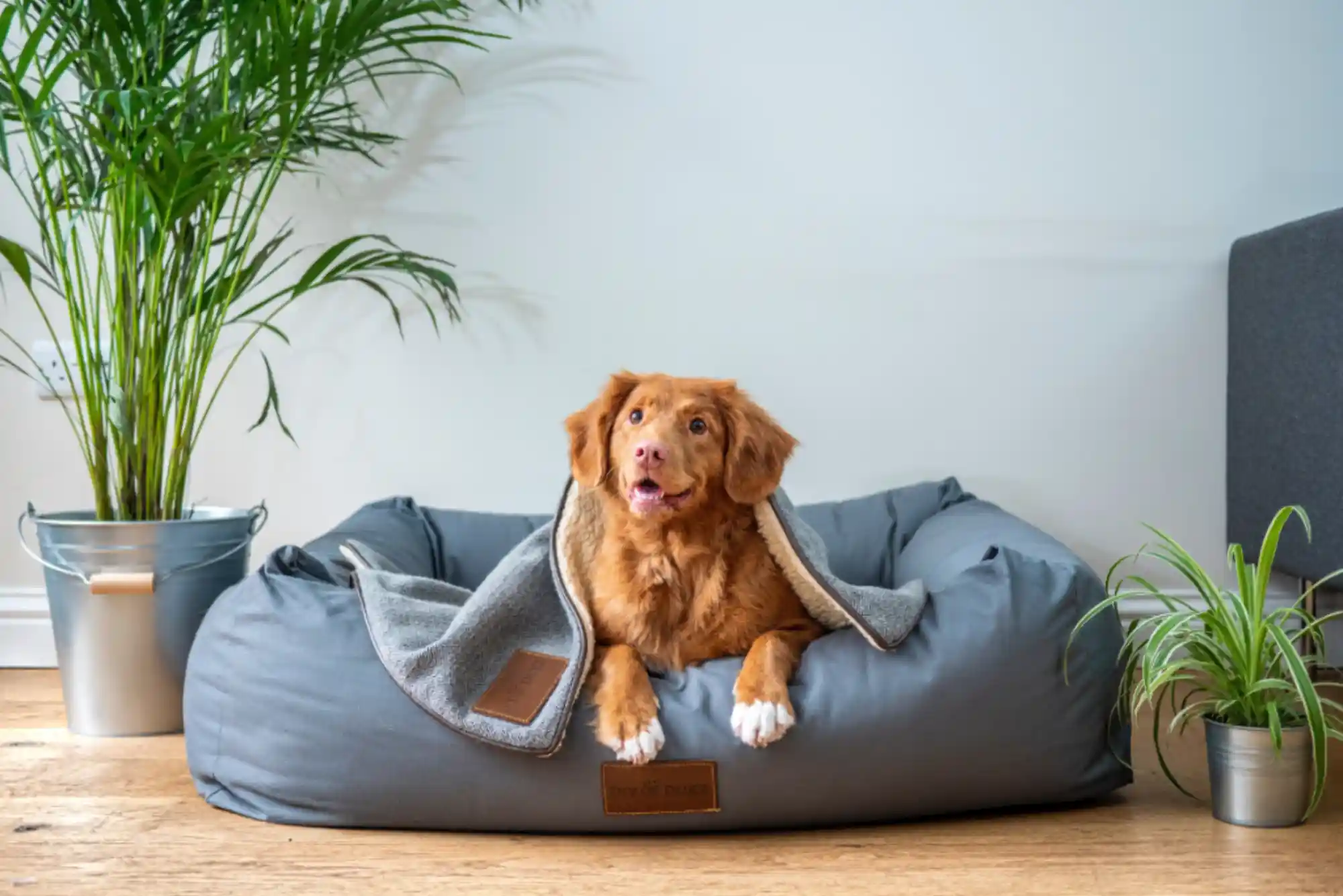
For many dogs, staying at home can reduce stress because everything around them remains familiar. Their bed, food bowls, toys, smells and normal sleeping area are still there.
This can make in-home pet sitting in Dubai particularly attractive for dogs that dislike travel or unfamiliar environments.
Familiar surroundings reduce disruption
Dogs often develop strong routines. They know where they sleep, when they eat and where they normally relax.
A reliable sitter can maintain these routines while providing food, water, walks, playtime and companionship. For some pets, this is less disruptive than moving to a boarding facility.
It can also be beneficial for multi-pet households because dogs and other animals can remain together instead of being separated.
The sitter’s reliability matters enormously
The main weakness of in-home pet sitting is that the quality of care depends heavily on the individual sitter.
A sitter who arrives late, leaves the dog alone for excessive periods, forgets medication or does not recognise signs of illness can create serious problems.
This is why proper screening matters. Before hiring anyone, consider using a Pet Sitter Vetting Checklist to help evaluate experience, references, emergency procedures and other important factors.
Dog Boarding vs In-Home Pet Sitting in Dubai for Anxious Dogs
A dog’s temperament should be one of the biggest factors in your decision.
A confident, social dog that enjoys new experiences may adapt quickly to boarding. A nervous dog that hides when visitors arrive may struggle with a busy boarding environment.
Dogs with separation anxiety require additional consideration. Some may become distressed when their owner leaves regardless of where they stay, while others feel calmer when they remain in their own home.
If your dog is particularly anxious, introduce the sitter well before your holiday. Arrange one or more trial visits so the dog can become familiar with the person while you are still at home.
Likewise, if you choose boarding, consider a short trial stay before committing to a long holiday. This gives you an opportunity to see how your dog responds.
Which Option Is Better for Senior or Special-Needs Dogs?
Older dogs often benefit from predictable routines and quiet environments. They may also need medication, assistance with movement, special diets or more frequent bathroom breaks.
In-home sitting can be an excellent option if the sitter has genuine experience with senior dogs and can follow instructions accurately.
Boarding may be preferable when a facility has experienced staff and reliable access to veterinary support. This can be especially useful if your dog has complex care requirements.
The safest choice depends on the dog’s condition rather than the type of service itself. Before travelling, provide written instructions covering feeding, medication, exercise restrictions, behavioural triggers and emergency contacts.
Dubai’s Climate Makes Holiday Pet Care Different
Dubai’s heat adds another consideration when selecting holiday care. Dogs need protection from excessive heat, particularly during the hottest parts of the year.
A responsible boarding facility should have reliable indoor temperature control, fresh drinking water and an appropriate exercise schedule. Outdoor activities should be planned around safe temperatures rather than convenience.
For in-home sitting, the sitter should understand how to keep the property comfortable and ensure that air conditioning and water supplies remain available.
If your dog needs grooming before or during your holiday, you can also explore UAE Pet Services for convenient pet-care options.
How to Choose a Safe Dog Boarding Facility in Dubai
The safest approach is to visit the facility before making a reservation. Do not rely entirely on photographs or social media posts.
Look at where dogs sleep, how clean the premises are, how staff interact with animals and whether secure doors and fencing are in place.
Ask direct questions about emergencies. Find out which veterinary clinic they use, who makes decisions if your dog becomes unwell and whether staff are available overnight.
You should also ask about vaccination requirements. Responsible facilities generally need health documentation to reduce the risk of infectious disease spreading between animals.
Another important point is transparency. A reputable provider should be comfortable explaining its routines, policies and procedures.
How to Choose a Safe Pet Sitter in Dubai
Choosing an in-home sitter requires a slightly different approach. You are not only trusting someone with your dog but potentially giving them access to your home.
Start by checking references and relevant experience. Ask whether they have cared for dogs similar to yours in age, temperament and needs.
A meeting before the holiday is essential. Watch how your dog responds to the sitter and pay attention to whether the sitter asks sensible questions about feeding, exercise, behaviour and emergencies.
You should also agree on practical details in advance, including visit frequency, overnight arrangements, walking routines and communication.
A good sitter should be able to tell you what they would do if your dog escaped, became sick, refused food or showed unusual behaviour.
Dog Boarding vs In-Home Pet Sitting in Dubai: Which Is More Cost-Effective?
Price should not be the deciding factor when your dog’s safety is involved, but it is naturally part of holiday planning.
Boarding is generally priced according to the number of nights and the level of accommodation or services selected. Extra charges may apply for grooming, medication, individual walks or special care.
In-home sitting varies considerably. A simple daily visit may cost less than overnight care, while a sitter staying in your home for the entire holiday may be more expensive.
Rather than comparing headline prices, compare what is actually included. A cheaper service that provides minimal supervision may not offer the same value as a slightly more expensive service with reliable monitoring and emergency support.
How to Prepare Your Dog Before Your Holiday
Preparation can make either arrangement considerably safer.
Start by keeping your dog’s routine consistent in the weeks before travelling. Introduce the sitter or boarding facility gradually rather than leaving everything until the day before your flight.
Prepare enough food and medication for the entire trip, with some additional supply in case your return is delayed.
Leave clear written instructions and your veterinarian’s contact information. It is also sensible to provide an emergency contact who can make decisions if you cannot be reached.
For boarding, label your dog’s belongings where appropriate. For home sitting, make sure the sitter knows where essential supplies are kept and how to access the property safely.
Signs Your Dog May Be Better Suited to Boarding
Some dogs genuinely enjoy boarding. They may be confident around unfamiliar people, comfortable in new environments and happy around other dogs.
If your dog already attends daycare successfully, boarding may be a natural extension of that routine.
Dogs that enjoy structured activities and regular interaction can also benefit from a reputable facility, provided the environment is well managed.
Signs Your Dog May Be Better Suited to In-Home Sitting
Dogs that are highly attached to their home, nervous around unfamiliar animals or easily stressed by changes may do better with a sitter.
In-home care can also make sense for dogs with established routines, older pets and households with multiple animals.
However, staying home does not automatically mean the dog receives better care. The sitter must still provide sufficient attention, exercise and monitoring.
A Practical Way to Decide Between the Two
When comparing dog boarding vs in-home pet sitting in Dubai, think about five questions: How does your dog react to new environments? Does your dog enjoy other animals? Does your pet need specialised care? How much supervision is required? And how experienced is the person or facility you are considering?
If your dog is social, adaptable and comfortable away from home, a high-quality boarding facility may be an excellent choice.
If your dog is anxious, elderly, strongly attached to its home or uncomfortable around unfamiliar animals, an experienced in-home sitter may be the better option.
For additional pet-care information and local resources, Episode can also be useful when researching services and lifestyle options.
Which Is Safer for Holidays?
There is no universal winner in the dog boarding vs in-home pet sitting in Dubai debate. Safety depends more on the quality of care than on the label attached to the service.
Boarding can provide structured routines, professional supervision and social opportunities, while in-home sitting can minimise stress and preserve your dog’s familiar environment. The best choice is the one that matches your dog’s temperament, health requirements and daily routine.
Before booking, visit facilities, interview sitters, check references and ask detailed questions about emergencies. Give your dog time to adjust, prepare clear instructions and never hesitate to choose a different provider if something does not feel right.
Your holiday should give you peace of mind rather than leave you constantly wondering whether your dog is safe. Take the time to choose carefully, arrange a trial stay or visit when possible, and select the care environment where your dog is most likely to feel secure and comfortable.
FAQs
Is it better to board a dog or leave it at home?
It depends on the dog’s temperament and care requirements. Dogs that are comfortable in new environments may enjoy boarding, while anxious or routine-dependent dogs may be happier at home with a trusted sitter.
Is boarding stressful for dogs?
Boarding can be stressful for some dogs because of unfamiliar surroundings, people and animals. However, dogs that are confident and accustomed to daycare or boarding may adapt quickly, particularly when the facility provides a calm and structured environment.
Do dogs prefer to stay home when owners go on vacation?
Many dogs are more comfortable in familiar surroundings, but individual preferences vary. A familiar home combined with a reliable sitter can reduce disruption for dogs that dislike travel or unfamiliar environments.
How long can you leave a dog alone while on vacation?
A dog should not simply be left alone for an extended holiday. Arrange appropriate care based on your dog’s age, health, toilet needs, exercise requirements and temperament. The caregiver should provide adequate companionship and supervision.
What should I look for in a dog boarding facility?
Look for cleanliness, secure areas, appropriate temperature control, experienced staff, clear vaccination policies, sensible dog-management procedures and a well-defined emergency plan. Visiting the facility before booking is strongly recommended.
How do I know if a pet sitter is trustworthy?
Check references, discuss previous experience, meet the sitter before your trip and ask detailed questions about feeding, exercise, emergencies and communication. A professional sitter should be comfortable explaining how they will care for your dog.
Related Reading: Best Dog Beaches in the UAE: Where Can Dogs Swim Legally in Dubai & RAK? — full guide
Related Reading: Jeddah to Dubai: Travel Guide for Working Professionals and Business Travellers
Related Reading: Near-Expiry Bakery Wins in Dubai: Croissants, Rolls, Crackers & Breadsticks — full guide
Related Reading: Home Service Massage Dubai: Relaxation Made Easy at Your Doorstep
Related Reading: Top Rated Mobile Pet Grooming Vans in Dubai and Sharjah