
Cat Desexing / Spay and Neuter Programs in Dubai: Cost and Aftercare
Cat desexing is an important part of responsible pet ownership. In Dubai, where the number of domestic and stray cats continues to attract attention, spaying and neutering help manage the feline population. These procedures also offer several health and behavioural benefits for cats. Understanding Cat Desexing / Spay and Neuter Programs in Dubai: Cost and Aftercare helps owners make informed decisions about their pets’ health, safety, and long-term wellbeing.
Dubai has veterinary clinics, animal welfare organisations, and community initiatives that support cat desexing. However, the procedure’s cost, availability, and aftercare requirements can vary. Whether you have a kitten, an adult cat, or a rescued stray, knowing what to expect makes the process easier. With proper veterinary guidance, desexing can be a safe and beneficial experience for most healthy cats.
Understanding Cat Desexing in Dubai
Cat desexing refers to surgical procedures that prevent cats from reproducing. Spaying is performed on female cats, while neutering is generally used for male cats. Both procedures are carried out under general anaesthesia by qualified veterinary professionals.
Female cat spaying involves removing the ovaries and usually the uterus. Male cat neutering involves removing the testicles. These procedures prevent unwanted pregnancies and can reduce certain reproductive health risks.
In Dubai, cat desexing is available through private veterinary clinics and selected animal welfare programmes. Some initiatives also support stray and community cats through trap-neuter-return services. The most suitable option depends on the cat’s health, age, living conditions, and individual needs.
Cat Desexing Cost in Dubai
The cost of cat desexing in Dubai depends on several factors, including the cat’s sex, age, health, veterinary clinic, and services included in the procedure. Female cats generally require more complex surgery than male cats. Therefore, spaying usually costs more than neutering.

The following table provides approximate planning estimates. Actual prices vary between veterinary providers and should be confirmed before booking.
|
Veterinary Service |
Estimated Cost (AED) |
|---|---|
|
Male cat neutering |
250–600 |
|
Female cat spaying |
400–900 |
|
Pre-surgery examination |
100–250 |
|
Blood tests before surgery |
150–350 |
|
Pain relief medication |
50–150 |
|
Post-surgery check-up |
0–200 |
|
Microchipping, if required |
100–250 |
These figures are general estimates rather than confirmed clinic quotations. Some veterinary clinics offer packages that include consultation, anaesthesia, surgery, medication, and follow-up appointments. Others charge separately for each service.
Before choosing a clinic, ask for a complete price breakdown. Confirm whether pre-operative blood tests, pain relief, a recovery collar, and post-operative examinations are included. This helps prevent unexpected expenses and ensures your cat receives appropriate care.
Spay and Neuter Programs in Dubai
Dubai has several types of veterinary and animal welfare services that help owners and communities access cat desexing. Private veterinary clinics provide routine surgical procedures, while animal welfare initiatives may offer subsidised services for eligible cats.
Private Veterinary Clinics
Private veterinary clinics in Dubai provide desexing services for domestic cats. These clinics generally assess the animal’s health before surgery and explain the procedure, anaesthesia, and recovery process.
Pet owners can use the Dubai Vet Directory to research veterinary services and identify clinics to contact. When selecting a provider, consider the veterinary team’s experience, surgical facilities, hygiene standards, and emergency support arrangements.
A reliable clinic should explain the risks and benefits of desexing and provide clear pre-operative and aftercare instructions. Owners should also ask how the clinic monitors cats during anaesthesia and recovery.
Subsidised Desexing Programs
Some animal welfare organisations and veterinary providers may offer reduced-cost desexing for rescued cats, community cats, or owners experiencing financial difficulties. Availability and eligibility can change according to funding, location, and programme capacity.
Owners should contact participating organisations directly to confirm current services, appointment requirements, and any applicable fees. Subsidised programmes may have specific conditions, such as proof of ownership or arrangements for transporting the cat.
Trap-Neuter-Return Programs
Trap-Neuter-Return, commonly known as TNR, is a community-based approach to managing stray and feral cat populations. Cats are humanely trapped, taken to a veterinary provider for sterilisation, and returned to their original territory after recovery when appropriate.
The TNR Trap Neuter Return UAE approach focuses on reducing reproduction while allowing community cats to remain in familiar environments. Depending on the programme, cats may also receive vaccinations, parasite treatment, and identification through an ear tip.
TNR programmes can help reduce the number of unwanted litters over time. However, their success depends on consistent veterinary care, responsible colony management, and cooperation among local communities.
When Should You Desex Your Cat?
Veterinarians commonly recommend discussing desexing when kittens are around four to six months old. Some healthy kittens may be suitable for earlier procedures, depending on their weight, development, and veterinary assessment.
Female cats can become pregnant at a relatively young age. Therefore, discussing the procedure before the first heat cycle can help prevent unplanned litters. Male cats may also begin displaying mating-related behaviours as they mature.
Adult cats can usually undergo desexing if their health allows it. However, older cats or those with existing medical conditions may need additional examinations before surgery. Your veterinarian can recommend an appropriate time based on your cat’s individual circumstances.
Preparing Your Cat for Surgery
Proper preparation can make cat desexing safer and reduce unnecessary stress. The veterinary team will provide instructions about feeding, drinking, medication, and transportation before the appointment.
Owners should follow the clinic’s fasting instructions carefully. The required fasting period depends on the cat’s age, medical history, and anaesthesia protocol. Kittens and cats with certain health conditions may need different instructions.
Keep your cat indoors before surgery and transport them in a secure carrier. Inform the veterinarian about any medication, previous illness, allergies, or unusual behaviour. These details help the veterinary team plan appropriate treatment.
Prepare a quiet, clean, and comfortable recovery area at home. A warm resting space away from other pets and excessive activity can help your cat recover peacefully.
Cat Desexing Aftercare and Recovery
Aftercare is essential for supporting healing and preventing complications. Most cats recover well after routine desexing, although recovery times can differ between individuals and procedures.
The First 24 Hours After Surgery
Your cat may feel sleepy, confused, or slightly unsteady after anaesthesia. These effects are often temporary. Keep your pet indoors in a quiet area and prevent access to stairs, high furniture, or other places where a fall could occur.
Offer small amounts of water and food when your veterinarian advises that it is safe. Some cats may have a reduced appetite during the first evening. However, persistent vomiting, severe weakness, or breathing difficulties require immediate veterinary attention.
Protecting the Surgical Wound
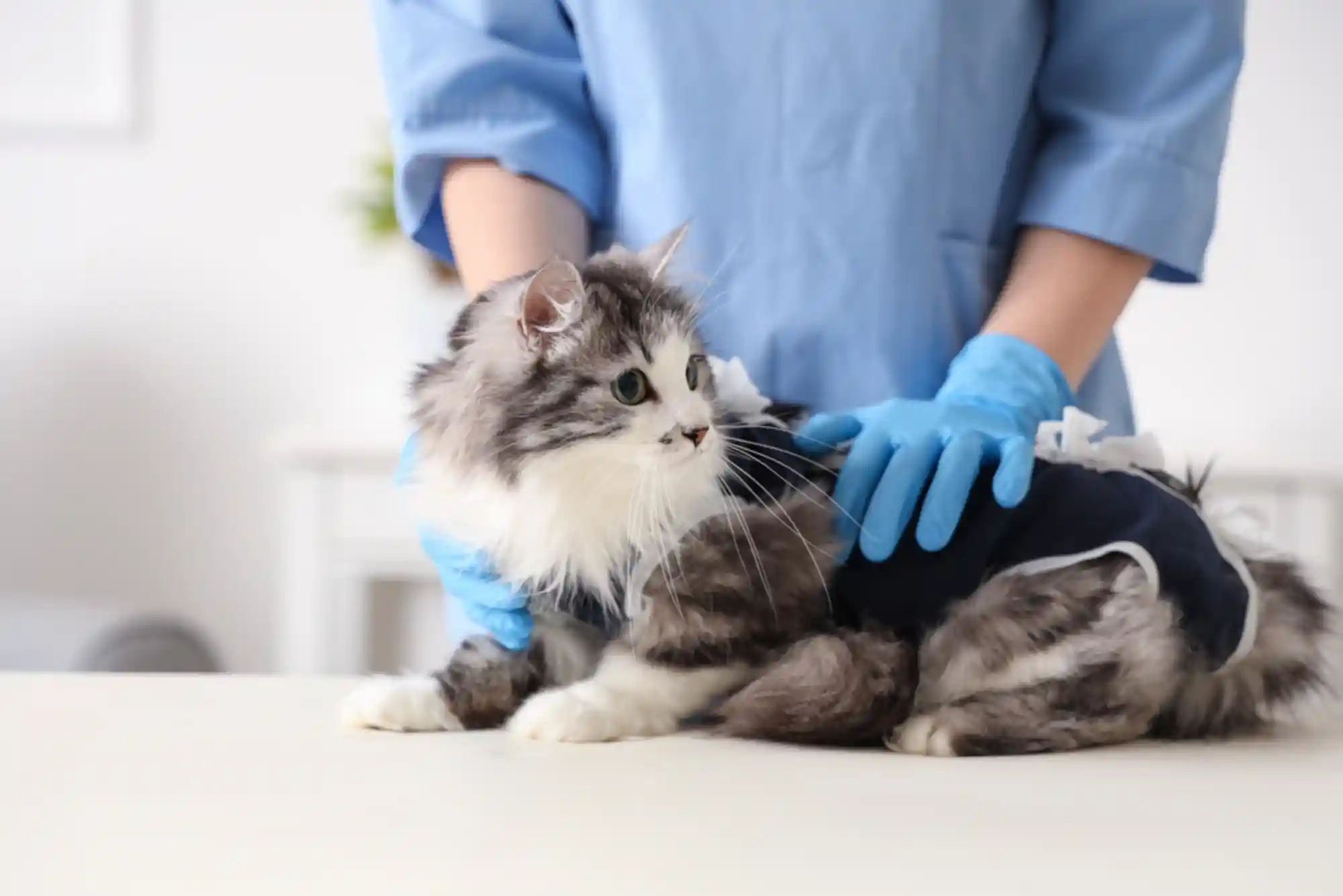
Prevent your cat from licking, biting, or scratching the incision. A veterinary-approved recovery collar or surgical recovery suit can help protect the wound.
Check the incision daily for increasing redness, swelling, discharge, bleeding, or an unpleasant smell. A small amount of mild swelling may occur, but worsening symptoms should be assessed by a veterinarian.
Avoid bathing your cat until the surgical wound has healed and your veterinarian confirms it is safe. Keep the recovery area clean and follow all wound-care instructions.
Food, Rest, and Activity
Provide your cat with fresh water and a balanced diet according to veterinary advice. Avoid sudden dietary changes during recovery unless recommended by the veterinarian.
Restrict jumping, running, rough play, and outdoor activity for the period advised by the clinic. Female cats may require around 10–14 days of restricted activity, while male cats may recover sooner. The exact recovery period depends on the surgical technique and individual healing.
Give prescribed medication exactly as directed. Never administer human painkillers to cats, as some can be highly toxic.
Health and Behavioural Benefits of Cat Desexing
Desexing provides important reproductive health benefits. Spaying prevents pregnancy and eliminates the risk of certain reproductive conditions, including ovarian and uterine diseases when those organs are removed. Spaying before the first heat may also reduce the risk of mammary tumours.
Neutering eliminates the risk of testicular cancer and can reduce certain hormone-related behaviours. Some male cats become less likely to roam, fight, or spray urine after the procedure, although these behaviours may continue for other reasons.
Desexing also helps prevent unwanted litters, reducing pressure on animal shelters and community caregivers. However, the procedure does not replace regular vaccinations, parasite prevention, proper nutrition, or routine veterinary examinations.
Common Mistakes to Avoid During Recovery
Owners sometimes allow cats to resume normal activity too early because the animal appears energetic. However, the surgical wound may still be healing beneath the skin. Follow the veterinarian’s activity restrictions even when your cat seems fully recovered.
Another common mistake is removing the recovery collar too soon. Cats can damage their incisions quickly by licking or chewing. Keep protective equipment in place for the period recommended by the veterinary team.
Avoid applying creams, antiseptics, or home remedies without veterinary approval. These products may irritate the wound or interfere with healing. Contact your clinic if you notice unusual symptoms or are uncertain about any part of the recovery process.
Frequently Asked Questions
How much does it cost to spay a cat in Dubai?
Spaying a female cat in Dubai may cost approximately AED 400–900, depending on the clinic and services included. Additional expenses may apply for blood tests, medication, and follow-up appointments. Contact veterinary clinics for an accurate quotation based on your cat’s age and health.
How long does a cat take to recover after desexing?
Most cats begin behaving more normally within 24–48 hours after surgery. However, complete recovery takes longer, particularly for female cats. Many clinics recommend restricting activity for around 10–14 days after spaying. Follow your veterinarian’s specific instructions to support proper healing.
Is cat desexing safe in Dubai?
Cat desexing is a commonly performed veterinary procedure. Like any surgery involving general anaesthesia, it carries some risks. A pre-operative examination, suitable anaesthesia monitoring, pain management, and appropriate aftercare can help reduce complications. A veterinarian should assess each cat’s individual health before surgery.
Can I desex my adult cat?
Yes, many healthy adult cats can undergo spaying or neutering. However, older cats or those with existing health problems may require additional examinations or blood tests. Your veterinarian can assess the risks and recommend the appropriate surgical plan.
What should I do if my cat’s wound becomes swollen?
Mild swelling may occur after surgery, but increasing swelling, discharge, bleeding, severe redness, or an unpleasant smell may indicate a complication. Contact your veterinarian promptly if you notice these symptoms. Seek urgent care if your cat becomes severely weak, has difficulty breathing, or experiences significant bleeding.
Conclusion
Cat Desexing / Spay and Neuter Programs in Dubai: Cost and Aftercare play an important role in responsible pet ownership and community animal welfare. Desexing helps prevent unwanted pregnancies, reduces certain reproductive health risks, and supports the long-term management of stray cat populations.
Although costs vary between veterinary clinics and animal welfare programmes, planning ahead can make the procedure more manageable. Choosing a qualified veterinarian, understanding the surgical process, and following proper aftercare instructions can support a smoother recovery.
If you are considering desexing your cat, contact a qualified veterinary clinic in Dubai to discuss suitable treatment, current costs, and recovery requirements. Taking this step can contribute to your cat’s wellbeing and a more sustainable community approach to animal care.