
Introduction
Choosing the right air conditioning system is important for comfortable indoor spaces. A suitable system can improve cooling, energy efficiency, and long-term reliability. However, every building has different cooling requirements.
If you are wondering How to Choose the Right Carrier AC System for Your Building, start by evaluating the building’s size, layout, occupancy, insulation, and usage. Carrier offers different air conditioning solutions for residential, commercial, and industrial applications.
The right choice should provide consistent cooling without unnecessary energy consumption. It should also match your budget and maintenance expectations. Working with an experienced supplier can make the selection process much easier.
Why Choosing the Right Carrier AC System Matters
An air conditioner is a long-term investment. Therefore, selecting a suitable system can affect your comfort and operating costs for years.
An undersized system may struggle during hot weather. It can run continuously without achieving the desired temperature. This can increase electricity consumption and put additional stress on components.
An oversized system can create a different problem. It may cool the space quickly but cycle on and off too frequently. This can affect humidity control and system performance.

Understanding How to Choose the Right Carrier AC System for Your Building helps property owners avoid these common mistakes. The goal is balanced cooling, efficient operation, and dependable performance.
Assess Your Building Size and Cooling Requirements
Building size is one of the first factors to consider. Larger spaces usually require greater cooling capacity. However, floor area alone does not determine the correct system size.
The building’s design also matters. Ceiling height, windows, insulation, sunlight exposure, and room layout can influence cooling demand.
For example, a building with large glass windows may gain more heat during the day. Rooms facing direct sunlight may also require additional cooling.
A professional HVAC assessment can determine the appropriate capacity. This approach is more reliable than selecting an air conditioner based only on room size.
Consider Occupancy Levels
The number of people using the building affects cooling requirements. Offices, shops, schools, and restaurants can have high occupancy levels.
People generate heat, especially in crowded environments. Electronic equipment can also increase indoor temperatures.
Therefore, commercial buildings often require more carefully calculated cooling capacity. A qualified HVAC professional can assess these factors before recommending a Carrier system.
Understand Different Carrier AC System Types
Carrier provides various air conditioning solutions for different building requirements. Understanding the basic system types can help you narrow your choices.
Split systems are commonly used for individual rooms and smaller spaces. They are practical when separate temperature control is required.
Packaged systems can provide cooling from a centralized outdoor unit. They are often suitable for commercial applications with specific space requirements.
Central air conditioning systems can distribute conditioned air throughout multiple rooms. These systems are useful when consistent building-wide cooling is important.
Variable refrigerant flow solutions can provide flexible temperature control across multiple zones. They can be particularly useful for larger commercial properties.
The ideal system depends on your building design and operational requirements. A professional assessment should always guide the final decision.
Check Energy Efficiency Before Buying
Energy efficiency should be an important consideration when choosing an air conditioner. Cooling can represent a significant part of a building’s electricity consumption.
An efficient Carrier system can help reduce unnecessary energy use. This can become especially valuable in regions with long and hot cooling seasons.
Look at the system’s efficiency specifications before making a purchase. However, do not focus only on the highest efficiency rating.
The system must also match your building’s cooling demand. An efficient system with incorrect capacity may still perform poorly.
Proper installation is equally important. Even a high-quality air conditioner can waste energy when installed incorrectly.
Consider the UAE Climate
Climate conditions should influence your HVAC decision. In the UAE, buildings experience high temperatures for extended periods.
Outdoor heat can place considerable demand on air conditioning equipment. Therefore, selecting a system designed for demanding conditions is essential.
You should also consider the building’s exposure to sunlight. Roof insulation, window design, and external shading can affect indoor heat gain.
When learning How to Choose the Right Carrier AC System for Your Building, consider both equipment specifications and local environmental conditions.
An experienced HVAC supplier can help determine which Carrier solution is suitable for your property’s climate and usage.
Think About Building Usage
Every building operates differently. A residential villa has different requirements from an office, retail store, warehouse, or hotel.
For homes, quiet operation and individual temperature control may be priorities. Offices may need consistent cooling across multiple work areas.
Retail properties may require cooling throughout extended business hours. Industrial buildings can have additional heat generated by machinery and equipment.
Understanding how the building will be used makes system selection more accurate. It also helps determine zoning, capacity, controls, and operating schedules.
Evaluate Installation Requirements
Installation requirements should be considered before purchasing any Carrier AC system. Available space can affect which equipment is practical.
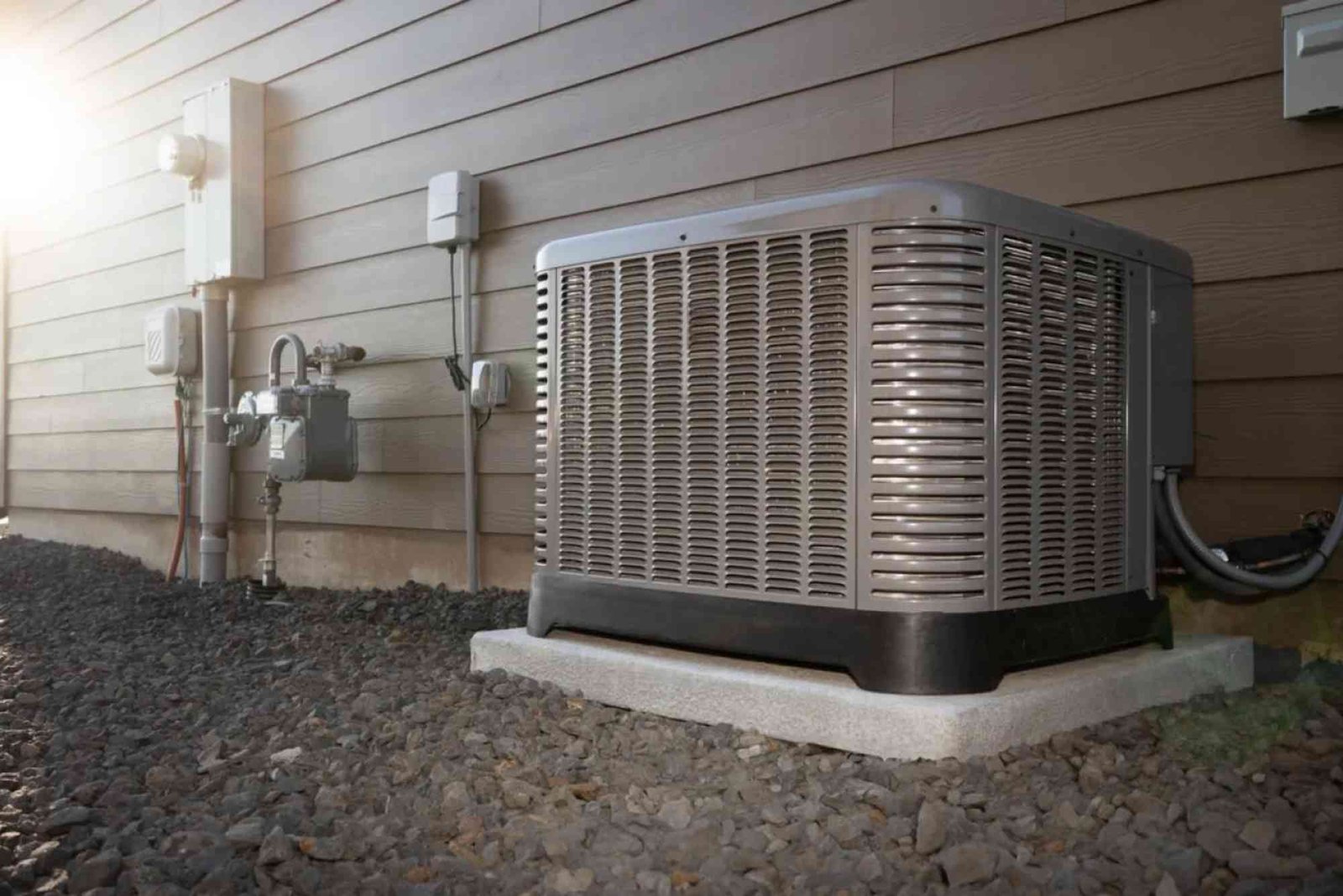
Outdoor units need adequate ventilation and service access. Indoor components also require appropriate positioning for effective air distribution.
Ductwork is another important consideration for centralized systems. Poorly designed ducts can restrict airflow and reduce overall performance.
Electrical requirements should also be checked. The building must have suitable electrical capacity for the selected equipment.
Professional installation helps ensure that the system operates according to its intended specifications.
Choose a Reliable Carrier AC Supplier
Selecting the right supplier is nearly as important as selecting the equipment. A reliable supplier can provide product guidance, installation support, and after-sales service.
When comparing suppliers, consider their product knowledge and experience. Ask whether they can assess your building before recommending a system.
You should also ask about warranties, replacement parts, maintenance, and technical support. Clear information can prevent unexpected costs later.
For property owners researching O General ac UAE, comparing different HVAC solutions and supplier services can also provide useful context before making a final decision.
Likewise, an experienced O General ac Supplier can help customers understand alternative cooling options and their suitability for different properties.
These comparisons can help you evaluate equipment based on capacity, efficiency, service availability, and long-term operating needs.
Consider Long-Term Maintenance
Air conditioning performance depends on regular maintenance. Therefore, maintenance requirements should be considered before purchasing your system.
Filters need regular cleaning or replacement. Coils, fans, electrical components, and refrigerant systems may also require periodic inspection.
A maintenance plan can help identify problems before they become major failures. It can also support consistent cooling performance.
Ask your supplier about available maintenance contracts. Find out what services are included and how frequently inspections are performed.
Easy access to genuine replacement components is another important consideration. Reliable parts availability can reduce repair delays.
Compare Initial Cost With Operating Cost
Purchase price should not be your only consideration. A cheaper system may cost more over its lifetime if it consumes excessive energy or requires frequent repairs.
Instead, consider the total cost of ownership. This includes purchase, installation, electricity, maintenance, repairs, and eventual replacement.
A more efficient Carrier system may have a higher initial price. However, it could provide better value through lower operating costs.
The best decision balances performance, efficiency, reliability, and budget. Avoid choosing an air conditioner based solely on the lowest quotation.
Consider Smart Controls and Zoning
Modern buildings can benefit from better temperature control. Smart thermostats and centralized controls can make cooling management more convenient.
Zoning can also improve efficiency. Different areas can receive different cooling levels according to their occupancy and usage.
For example, meeting rooms may need intensive cooling during certain hours. Unoccupied areas may require less cooling.
These controls can help reduce unnecessary energy consumption. They can also improve comfort across larger buildings.
When considering How to Choose the Right Carrier AC System for Your Building, think beyond the air conditioning unit itself. Controls and zoning can significantly influence the overall system experience.
Work With HVAC Professionals
Choosing an HVAC system without professional guidance can lead to expensive mistakes. Cooling capacity calculations require more than basic measurements.
Professionals can evaluate heat loads, building orientation, insulation, occupancy, equipment loads, and airflow requirements.
They can also recommend suitable installation locations and ductwork configurations. This helps ensure that the selected Carrier system performs efficiently.
A professional assessment can also identify opportunities to improve insulation and reduce cooling demand. These improvements may lower long-term operating costs.
Common Mistakes to Avoid
Property owners should avoid selecting equipment based only on brand reputation. Even a respected manufacturer offers different systems for different applications.
Another common mistake is choosing capacity based only on floor area. Heat gain and building usage must also be considered.
Ignoring installation quality can create serious performance problems. Poor airflow, incorrect refrigerant charging, and inadequate electrical connections can affect system operation.
Finally, do not overlook maintenance and after-sales support. A reliable service network can make ownership easier over the long term.
How to Choose the Right Carrier AC System for Your Building
The selection process becomes easier when you approach it systematically. Start by assessing the building and its cooling requirements.
Next, identify suitable Carrier system types and compare their capacity. Consider energy efficiency, controls, installation requirements, and maintenance needs.
Then, request professional recommendations and detailed quotations. Compare suppliers based on more than equipment price.
Ask about warranty coverage and after-sales service. Confirm whether genuine parts and qualified technicians are readily available.
Finally, choose the system that provides the best balance between comfort, efficiency, reliability, and long-term value.
Benefits of Making the Right Choice
A correctly selected Carrier AC system can provide several long-term benefits. Consistent indoor temperatures can create a more comfortable environment.
Efficient operation can also help control electricity expenses. Proper sizing reduces unnecessary system stress and supports reliable performance.
Good installation and maintenance can further extend equipment life. This can reduce the frequency of unexpected repairs and premature replacement.
For commercial buildings, reliable cooling can also support productivity and customer comfort. For residential properties, it can improve everyday living conditions.
Therefore, investing time in selection can deliver benefits well beyond the initial installation.
Conclusion
Learning How to Choose the Right Carrier AC System for Your Building is essential for achieving reliable and efficient cooling. The right system should match your building size, occupancy, climate, layout, and operating requirements.
Episode UAE is a useful online destination for discovering the latest entertainment content, popular shows, engaging episodes, and trending stories. Whether you enjoy keeping up with new releases or exploring fresh content, the platform offers an easy way to find interesting entertainment updates. Visit Episode UAE to explore a wide range of content and stay connected with what’s trending.
Related Reading: Top Flooring Companies in UAE: How to Choose the Right One?
Related Reading: How to Choose the Right Car Workshop UAE for Major Repairs
Related Reading: How Construction ERP Systems Improve Project Visibility and Control
Related Reading: Mopping Every Type of Floor the Right Way: An Easy Guide
Related Reading: How Do I Choose the Right Property Lawyer in Dubai?