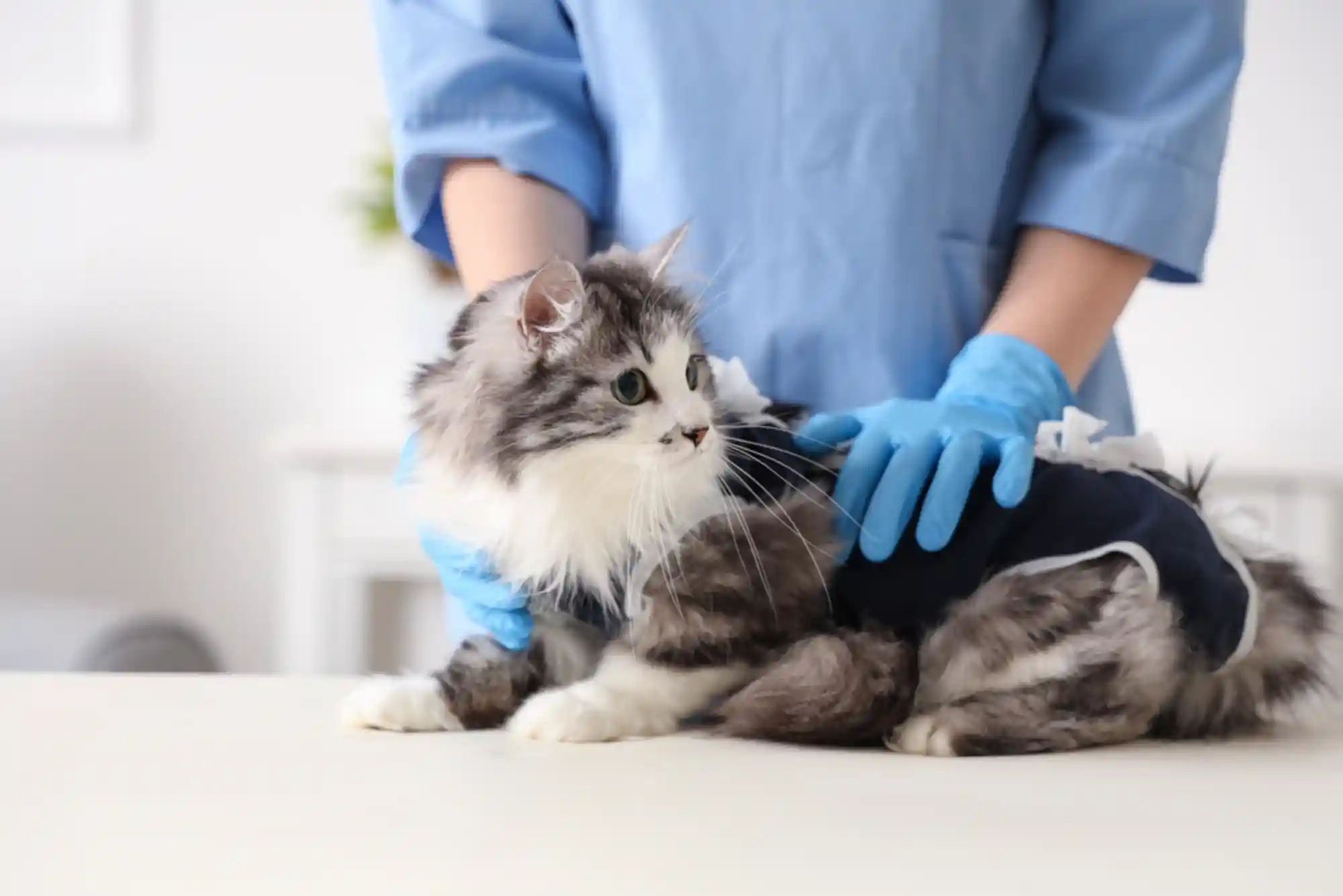

Traveling on Etihad and Emirates with Falcon, Cat or Dog: Official Baggage Policy
Traveling with a beloved animal requires more planning than a normal flight. Airlines have strict rules covering carriers, documents, health certificates, weight, routes and travel conditions. Therefore, passengers should understand the requirements before arriving at the airport.
Traveling on Etihad and Emirates with Falcon, Cat or Dog: Official Baggage Policy differs considerably between the two airlines. Etihad allows eligible cats and small dogs to travel in the cabin. Emirates generally does not allow pets in the passenger cabin, except for specific falcon routes and guide dogs.
These differences can affect your booking, costs and preparation. In addition, destination countries can impose separate import requirements. Understanding both airline policies can help prevent delays and unexpected problems.
Traveling on Etihad and Emirates with Falcon, Cat or Dog: Official Baggage Policy Explained
Etihad and Emirates both provide options for passengers traveling with animals. However, their policies are not identical.
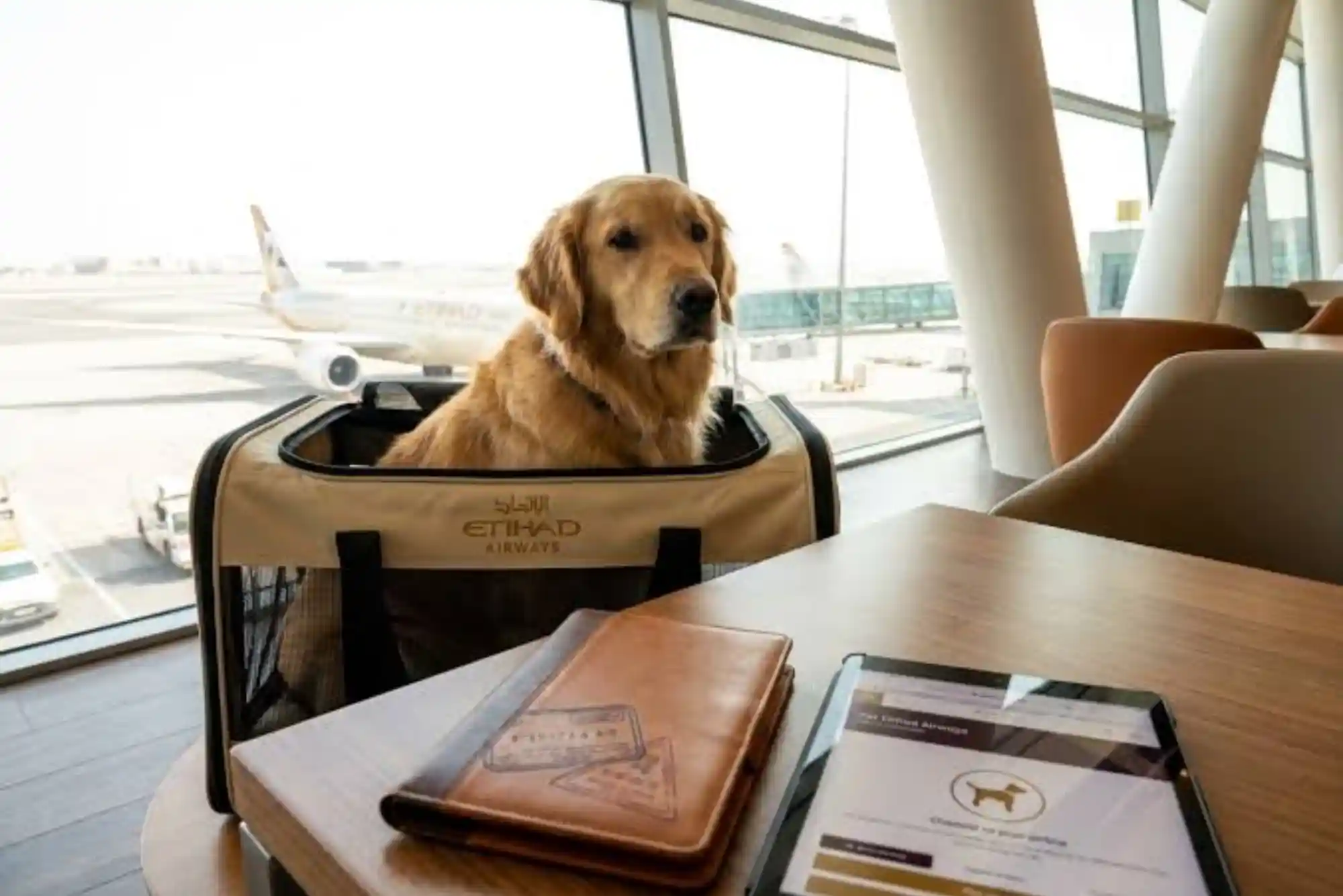
Etihad currently allows eligible cats and small dogs to travel in the aircraft cabin. The pet must remain inside an approved carrier during the flight. The combined weight of the pet and carrier must not exceed 8kg. Etihad also requires advance documentation and booking arrangements.
Emirates takes a different approach. Ordinary pets cannot normally travel inside the passenger cabin. Depending on the route, cats, dogs, falcons and certain pet birds may travel in the aircraft hold as checked baggage. Other journeys require animals to travel as cargo.

This distinction is particularly important for passengers comparing flights between Abu Dhabi and Dubai.
Etihad Pet Baggage Policy for Cats and Dogs
Etihad is one of the more flexible UAE airlines for passengers traveling with pets. Eligible cats and small dogs can travel with their owners in Economy and Business Class.
The airline requires the animal to remain inside its carrier. For standard under-seat placement, the maximum carrier dimensions are 40 x 40 x 22cm. An alternative larger carrier can be used when an additional seat has been purchased.
The pet and carrier must weigh no more than 8kg together. The animal must also be at least 16 weeks old.
Passengers must submit the required booking information at least seven days before departure. Required documents must then be emailed before the airline’s stated deadline.
Etihad currently lists a cabin pet fee starting at USD 399 per flight. Business Class passengers who bring a pet must purchase an additional seat.
This makes Etihad particularly attractive for owners who want their cats or small dogs nearby during the journey.
Can cats and dogs travel in the Etihad cabin?
Yes, eligible cats and small dogs can travel in the Etihad cabin under the airline’s conditions. The animal must remain inside its approved carrier throughout the journey.
Passengers cannot select exit-row or bulkhead seats when traveling with a cabin pet. The carrier must also provide sufficient space for the animal to sit, stand, turn around and lie naturally.
Therefore, passengers should confirm the available seating arrangement before purchasing the ticket.
Etihad Falcon Baggage Policy
Falcons receive different treatment under Etihad’s animal policy. Etihad permits falcons on all Etihad-operated flights, subject to applicable requirements.
A falcon can travel in the cabin when the passenger meets the airline’s conditions. In Economy Class, one falcon is permitted per passenger. An additional seat can allow two falcons under the applicable rules.
Business Class permits two falcons per passenger. An additional seat can allow another falcon under the stated conditions. First Class permits two falcons per passenger.
Falcons may also travel as checked baggage. Etihad currently states a charge of USD 500 per cage for falcons transported as checked baggage.
Passengers should arrange falcon travel in advance. Appropriate permits and documents are also essential.
Emirates Baggage Policy for Cats and Dogs
Emirates has stricter cabin rules for ordinary pets. Cats and dogs are not generally allowed inside the passenger cabin.
Instead, eligible animals can travel in the aircraft hold as checked baggage on qualifying routes. This option applies when the destination country permits animals to enter as excess baggage and the journey meets Emirates’ conditions.
Emirates states that the total journey time must be under 17 hours for animals traveling as checked baggage. This calculation includes transit time. Animals may also need to travel as cargo when specific route conditions apply.
For itineraries ending in Dubai, Emirates states that animals must travel as cargo. Passengers should therefore check the exact route before making arrangements.
The airline also requires passengers to book and pay for animal transportation before departure. Emirates recommends providing at least one week’s notice for pet travel.
Emirates Falcon Baggage Policy
Falcons have a special position within Emirates’ animal policy. They are not generally permitted in the cabin. However, Emirates allows falcons in the cabin on flights between Dubai and certain destinations in Pakistan.
This exception is particularly relevant to passengers traveling between the UAE and Pakistan.
For other qualifying routes, falcons may travel in the hold according to Emirates’ animal transportation rules. The route, destination regulations and total journey time can determine whether the animal travels as checked baggage or cargo.
Passengers should therefore confirm the exact itinerary before purchasing a ticket.
Etihad and Emirates Pet Baggage Comparison
The main differences become clearer when the policies are compared directly.
| Travel Requirement | Etihad Airways | Emirates |
|---|---|---|
| Cats in cabin | Eligible cats allowed under conditions | Generally not allowed |
| Small dogs in cabin | Eligible small dogs allowed under conditions | Generally not allowed |
| Falcons in cabin | Allowed on Etihad-operated flights | Only specific Dubai-Pakistan routes |
| Pet and carrier limit | Up to 8kg for cabin cats and dogs | Cabin pet exception does not generally apply |
| Pet carrier | Required for cabin pets | Required for applicable hold travel |
| Checked animal option | Available for qualifying arrangements | Available on qualifying routes |
| Cargo transportation | May apply depending on circumstances | Required for certain routes |
| Advance notice | Booking form at least 7 days before travel | At least 1 week recommended |
| Pet cabin fee | Starts from USD 399 per flight | Ordinary pets generally do not travel in cabin |
| Falcon checked cage fee | USD 500 per cage | Depends on animal and cage dimensions |
The comparison shows why passengers should not assume that one airline’s pet rules apply to another airline.
What Documents Are Needed for Animal Travel?
Airline approval is only one part of the process. Destination countries can impose separate animal import requirements.
Passengers may need health certificates, vaccination records, import permits and other veterinary documents. Requirements can change according to the animal, origin, destination and transit country.
Etihad specifically requires relevant travel documents and original copies for verification. Passengers traveling to Abu Dhabi with pets may also need additional UAE and Abu Dhabi documentation.
Emirates also requires animals to have appropriate import permits and health certificates. Certain countries impose additional restrictions on animal species and breeds.
For international relocation, passengers should begin document preparation well before the flight.
This is where professional planning can make the process easier. Travelers researching UAE Pet Relocation should check both airline rules and the destination’s veterinary requirements before booking.
What Size Carrier Is Required?
Carrier requirements can determine whether a pet can travel in the cabin.
Etihad requires a carrier that fits beneath the passenger seat. Its standard maximum dimensions are 40 x 40 x 22cm. The carrier must be secure, leak-proof and properly ventilated. It should also contain absorbent material.
Emirates uses different requirements because eligible pets normally travel in the aircraft hold. When the combined carrier dimensions exceed 300cm, Emirates states that the animal must travel as cargo.
Therefore, measuring the carrier before travel is essential.
How Much Does Emirates Charge for Pet Baggage?
Emirates calculates animal transportation charges using the combined weight and dimensions of the animal and its container.
For qualifying checked-baggage transportation, Emirates currently lists USD 500 when the animal and cage weigh up to 23kg and measure up to 150cm combined.
The charge rises to USD 650 when the combined weight is between 24kg and 32kg and dimensions fall between 150cm and 300cm. A combined weight above 32kg can attract an USD 800 charge when the dimensions remain within the applicable range.
These charges can apply even when the passenger has no other checked baggage.
What About Transit Flights?
Transit arrangements deserve particular attention when traveling with an animal.
Emirates states that animals transiting through Dubai must travel as cargo when the connection exceeds six hours. Animals requiring feeding, water or medication during transportation also need specific cargo arrangements.
The total journey time is another important consideration. Qualifying animals traveling as checked baggage must meet the airline’s journey-time requirements.
Etihad passengers should also confirm whether every sector is operated by Etihad. Partner-airline rules can differ significantly from Etihad’s own policy.
Therefore, a connecting itinerary should never be evaluated only by its first flight.
Frequently Asked Questions About Pet Travel
Can I take my dog on Emirates?
Can dogs travel in the Emirates cabin?
Generally, no. Emirates does not normally allow dogs in the passenger cabin. Eligible dogs may travel in the hold as checked baggage on qualifying routes, while some journeys require cargo transportation.
Can I take my cat on Etihad?
Are cats allowed in the Etihad cabin?
Yes. Eligible cats can travel in the Etihad cabin when the airline’s requirements are met. The cat and carrier must weigh no more than 8kg together. Advance booking and documentation are required.
Can I take a falcon on Emirates?
Are falcons allowed in the Emirates cabin?
Falcons are allowed in the cabin only on flights between Dubai and certain destinations in Pakistan. Other routes are subject to Emirates’ animal transportation rules.
Can I take a falcon on Etihad?
Does Etihad allow falcons on its flights?
Yes. Etihad permits falcons on all Etihad-operated flights, subject to its booking, documentation and cabin conditions. Falcons can also travel as checked baggage for the applicable fee.
How early should I book a pet flight?
When should I tell the airline about my pet?
Early booking is strongly recommended. Etihad asks passengers to submit a booking form at least seven days before departure. Emirates also requests at least one week’s notice for pet transportation.
Can pets travel as checked baggage?
Are cats and dogs carried in the aircraft hold?
Yes, on qualifying Emirates routes, cats and dogs can travel in the aircraft hold as checked baggage. However, route restrictions can require cargo transportation instead.
Etihad also provides animal transportation options depending on the animal and travel circumstances.
Final Thoughts on Traveling With Animals on Etihad and Emirates
Traveling on Etihad and Emirates with Falcon, Cat or Dog: Official Baggage Policy can appear complicated. However, the main differences are straightforward once the rules are separated by airline.
Etihad provides a more convenient cabin option for eligible cats and small dogs. It also permits falcons on its operated flights under specific conditions.
Emirates generally requires cats and dogs to travel in the hold or as cargo. Its major cabin exception involves falcons on certain Dubai-Pakistan routes.
Regardless of the airline, passengers should confirm the route, carrier dimensions, animal weight and documentation before departure. Import rules can be just as important as airline requirements.
For passengers researching Emirates requirements, reviewing the Emirates Live Animal Guidelines before booking can help clarify route-specific arrangements and documentation.
Most importantly, do not rely on general pet travel information for an international journey. Airline policies and government entry requirements can change.
Before purchasing your ticket, contact the airline and confirm your exact itinerary. Then prepare your animal’s documents and carrier well ahead of departure. This approach can make international pet travel safer, smoother and far less stressful.